

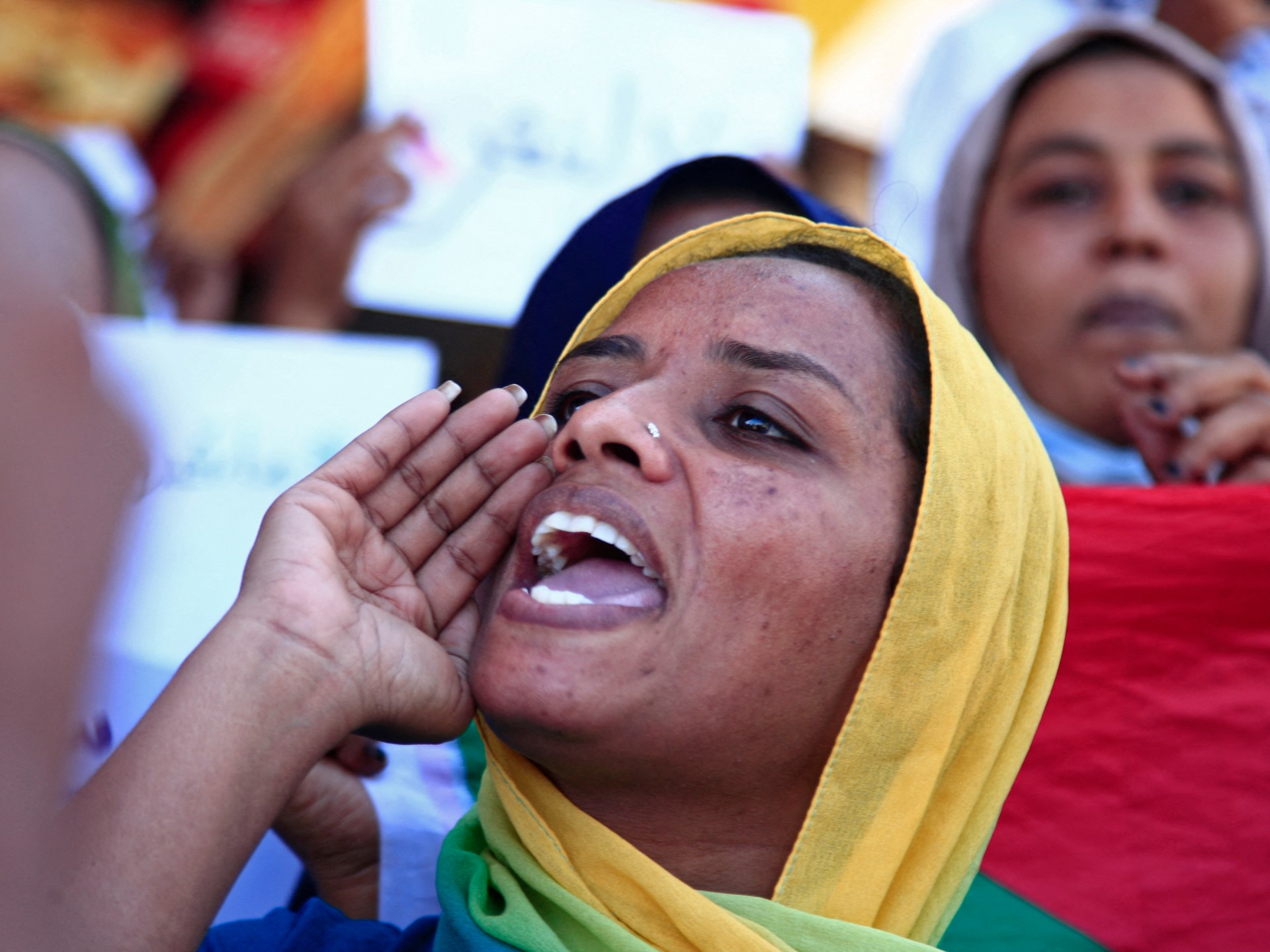
Rape as a Weapon: The Tragic Reality of Women in Sudan
The women told the BBC that they were being forced to trade sex for food Women who were raped in Sudan during its civil war say their attackers told them: "We want your children to be lighter.rape me not my daughter by Darfur after all its mothers and fathers dead."
In Sudan, a civil war has spawned what is likely the world's worst carnage against women and children. Survivors of sexual violence are also coming forward and telling their stories, offering a human face to the overwhelming statistics. Tales of great suffering by women who have suffered unspeakable abuse are not just a personal experience but they are representative of a wider pandemic — with reports of sexual violence being used as a tactic of war throughout Sudan.
The Background of Conflict
Sudan has been locked in civil war for years, the fueled by political unrest, ethnic strife and power conflict. This has been a precursor of the high handedness and violence meted out to innocent people which in turn, women and girls have fallen victim to sexual abuses due to lack of law and order! Women are seen as spoils of war and subject to rape and abuse by armed groups in many situations with complete impunity. This specific attack on women is an attempt to induce physical injury, and a means to disrupt the social fabric of communities.
Tell Your Story: Aisha and Fatima, Survivors of Genocide
She remembered the day that would alter her life - Aisha, 30, mother of three. She was fleeing an attack on her village when she was seized by men with guns who gang raped her. They said, 'Rape me not my daughter,' Aisha says, sharing the cries of mothers desperately trying to shield their offspring. Unfortunately, the crime also had a profound and lasting emotional impact on her daughter who was physically attacked.
A teenage girl named Fatima tells us how she learns to survive in the face of unimaginable trauma. She was captured during a raid and kept in captivity for weeks during which she was routinely raped. I left my childhood at that dark place… she spoke in a somber tone of voice The stories of Aisha and Fatima highlight how deeply entwined sexual violence has become with the ongoing conflict, tearing apart families and forever changing lives.
The Impact on Families
Sexual violence impacts more than just those who have survived it. The result is the same information being diagnosed in our families and we are left with shame, stigma, and isolation. A woman's honor is semi-coterminous with her sexuality in conservative societies such as Sudan. Sexual violence could also mean being ostracized, the pain of their suffering layered ever higher. Aisha emphasizes that they are not just fighting for themselves; “we are fighting for our families”, she claims, speaking on behalf of all of the women who have suffered the same ordeal.
The emotional cost is extreme. Those who live are left with ongoing trauma, mental illness and social exclusion. Others kept quiet for fear of being re-victimized. The ripple effect of trauma on women results in an ever downward spiral of despair and all too often, the violence experienced by them is witnessed first-hand by their children.
The Call for Action
Human rights groups and activists have called on Sudanese authorities to take quick steps to stem the tide of sexual violence in the country. The international community is called upon to condemn these wrongdoings which will be contributing towards a comprehensive way forward based on accountability and justice for the victims. “Wake up the world, we want the people to see what is happening here,” Fatima says. We will no longer be remain about the matter.
Work is being done to give the victims help, including medical treatment and mental health assistance, as well as legal resources. Nevertheless, such services have been and are limited in their penetration to the areas of greatest conflict – predominantly rural locations. Advocates for women's rights say the survivors' needs must be at the top of the list, their voices heard.
The International Community´s Function
It is about time that the world takes sexual violence in Sudan serious and opens a neutral investigation. The diplomatic efforts should be centered on ensuring that perpetrators or supporters of such heinous and unspeakable crimes are held accountable, as well as providing humanitarian assistance to the countries and the affected populations. Moreover, creating more public awareness around the issue can undo the stigma and make more victims feel brave enough to reach out for help.
Governments and institutions need to come together to craft holistic strategies against warzone sexual supply. Building a culture now, with the proper tools of education, community engagement and support systems — so that being or not-being a mother is just another data point to assimilate into our collected consciousness; instead of a sentence left at the doorstep where life as we knew it laid.
Conclusion
The experiences of Aisha, Fatima, and many other women in Sudan are the bitter fruits of sexual violence in armed conflict. In their bravery to voice out what they went through, they are fighting for their own justice and justice for a wider culture of violence and impunity. The world must stand up and take action to amplify the voices of survivors and meet their needs.
Their great humanity shines through as they stand up against the most unspeakable adversity, reminding us all that even in the darkest times, there is hope and solidarity. Together, let us move to that one day where no woman has to suffer sexual violence and women's rights everywhere are mobilized, respected and enforced.


0 Comments